Empowering Smart Transformation in Steel: Brant Hydraulics helps Integrating Multi-Brand Sensor Technologies for "Servolization" and Unmanned Production
Steel mills routinely face high heat, severe vibration, dust, moisture, and extreme loads. Traditional open-loop hydraulic systems rely on manual fine-tuning, falling short of modern demands for high precision and "unmanned production."
Brant Hydraulics possesses highly open and customizable system integration capabilities. Based on on-site operating conditions, we flexibly integrate high-precision sensors from leading global brands—including Japan's NSD, US-based MTS, Germany's Balluff, and Japan's Sony across linear displacement, angular, and pressure sensing—into our heavy-duty servo hydraulic cylinders and power systems. This empowers steel mills to upgrade to fully closed-loop "servolized" systems, creating a safe and accurate unmanned production environment.
1. Why Do Steel Mills Need Hydraulic "Servolization"?
Conventional mill hydraulics lack real-time position and force feedback, leading to large positioning errors, rapid wear, and the need for personnel to inspect and calibrate equipment in hazardous high-temperature zones.
When paired with high-response servo valves (such as Domin digital direct-drive valves or other servo valves) and high-reliability sensors, hydraulic cylinders evolve into micron-level "smart servo actuators" that automatically adjust position and pressure based on real-time feedback—delivering stable output without manual intervention.
2. Leveraging Diverse Sensor Technologies to Overcome Harsh Mill Conditions
Rather than being restricted to a single brand, Brant Hydraulics selects and integrates the optimal sensing technology tailored to each mill process and existing plant standards:
-
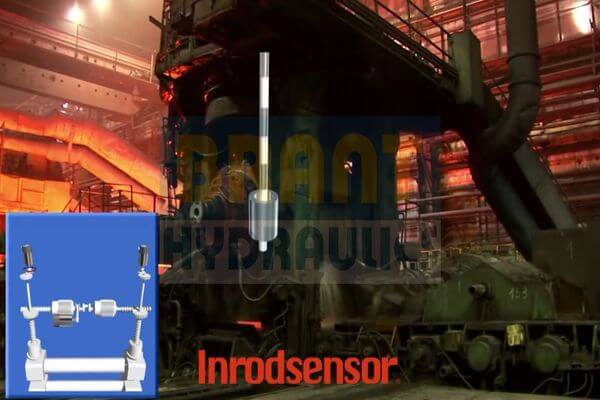
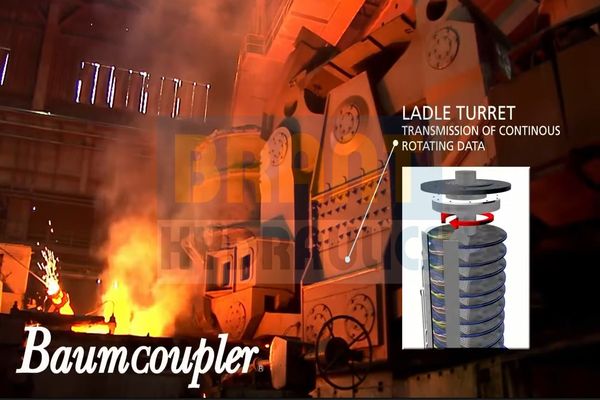
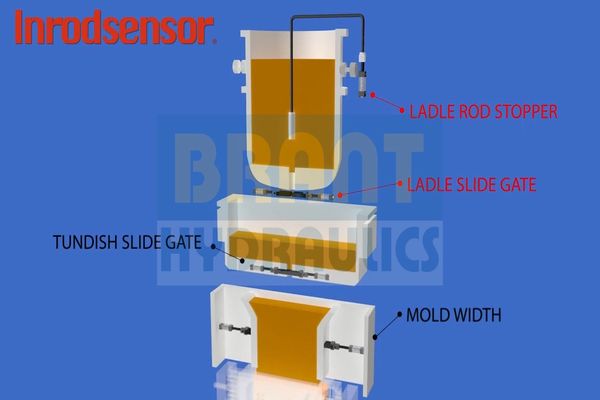
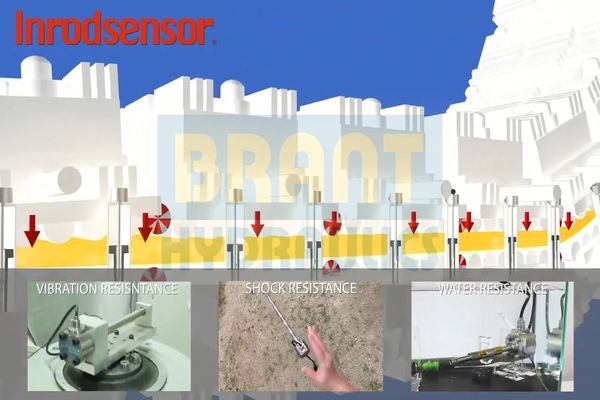
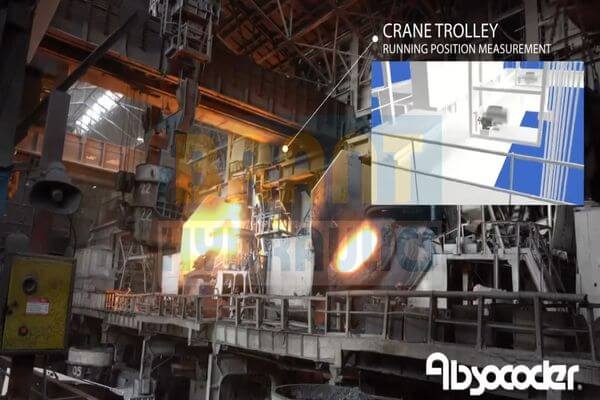
Extreme High-Heat & High-Vibration Zones (e.g., Continuous Casting Machines [CCM], Converter Tilting, Blast Furnaces, Heavy-Duty Cranes): We deploy non-contact magnetoresistive or absolute encoder sensors (such as heavy-duty series from NSD and Balluff) that resist oil, dust, mechanical wear, shock, and extreme temperatures. With zero re-homing required after a power outage, they ensure reliable automated unmanned recovery.
-
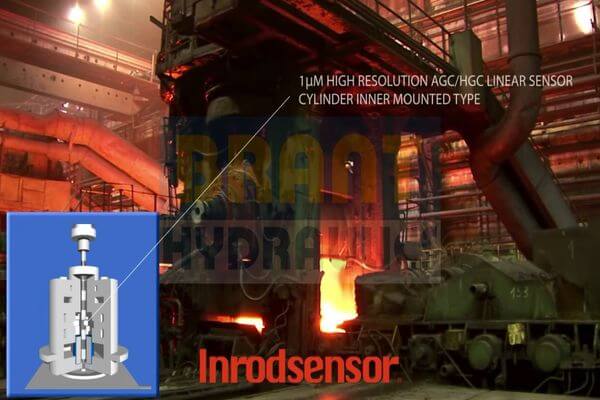
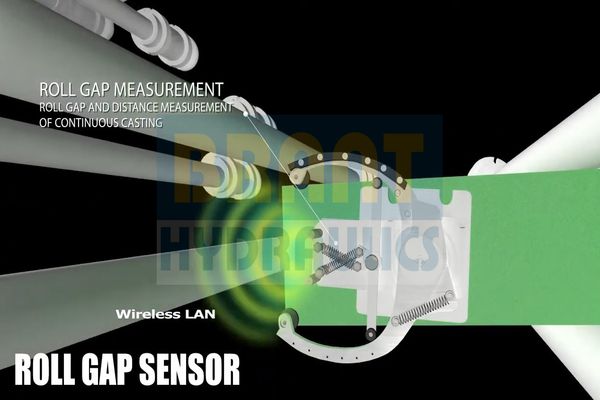
High-Precision Dynamic Control Zones (e.g., Hot/Cold Rolling Automatic Gauge Control [AGC], Strip Centering, Shear Positioning): We integrate built-in magnetostrictive linear displacement sensors or high-resolution magnetic scales (from brands such as MTS, Balluff, and Sony). Mounted directly inside high-pressure cylinder piston rods to shield against metal chips and coolant spray, they deliver low-latency micron ($\mu\text{m}$)-level signals for precise roll-gap control, improving strip thickness uniformity and yield.
3. Three Core Benefits of Unmanned Production
-
Remote Monitoring & Unmanned Operation: Stroke, speed, and pressure data are transmitted in real time to the central control room, eliminating the need for personnel to enter high-temperature, high-pressure hazard zones.
-
Micron-Level Repeatability & Automation: Closed-loop control offsets errors from oil temperature and load fluctuations, enabling end-to-end automation from continuous casting and rolling to material transfer while reducing scrap rates.
-
Predictive Maintenance & Zero Unplanned Downtime: Combining multi-sensor data with AI analytics detects early signs of internal leakage or valve response lag, enabling proactive servicing during scheduled maintenance and preventing costly sudden stoppages.
Conclusion
By effectively utilizing the right sensing technologies, traditional heavy industry can achieve a comprehensive smart upgrade. From heavy-duty servo cylinders and top-tier servo valves (Domin / Oilgear) to custom cross-brand sensor integration, Brant Hydraulics helps delivering one-stop solutions guiding steel mills toward efficient, zero-incident unmanned smart factories.
For hydraulic servolization upgrades or sensor integration inquiries, please feel free to contact us or reach out via email anytime.